
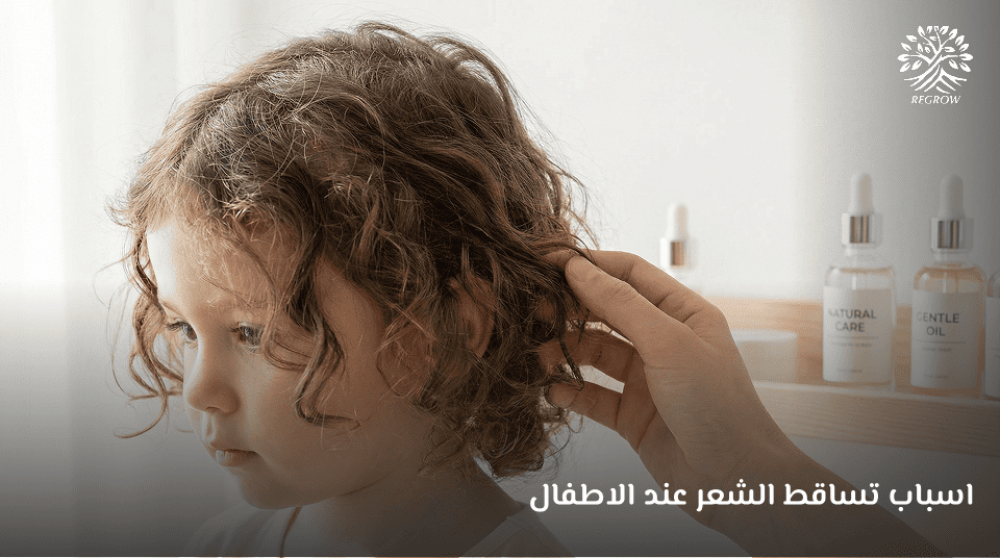
Hair loss and thinning in children are among the most worrying things for parents, especially if they notice unusual hair loss or noticeable bald patches on the scalp. While it's true that children's hair goes through normal growth and shedding phases, sometimes hair loss can be a sign of an underlying health or behavioral problem that requires attention.
In this article, we explain in detail the causes of hair loss in children , the factors that affect it, when it is normal, and when it requires intervention, along with practical tips for protection and support of healthy hair growth.
What is meant by hair loss in children?
Hair loss in children means losing a greater than normal amount of hair, and often appears as:
- General hair loss on the scalp
- Localized spots or gaps
- Thin hair and easy breakage
Of course, it is different from the natural hair loss that occurs with hair renewal. To find out the normal rate of hair loss in children, you can refer to the article on the normal rate of hair loss .
Are the causes of hair loss in children normal?
Some cases are normal, especially if:
- It was temporary
- Caused by a natural change in the hair growth cycle
- And what was accompanied by gaps or other symptoms
But in other cases, the causes of hair loss in children are abnormal and require diagnosis.
Causes of hair loss in children
1. Vitamin and mineral deficiencies
The most common cause of hair loss in children is nutritional deficiencies, especially:
- Iron
- Vitamin D
- Zinc
- Vitamin B12
This deficiency weakens hair follicles and prevents the growth of healthy, strong hair. At the same time, you can benefit from the best oils for hair growth from the roots and for treating bald patches to support hair growth.
2. Malnutrition
An unbalanced diet, especially for picky eaters, leads to:
- slow hair growth
- bombard it
- noticeable hair loss
Hair needs proteins and vitamins to stay healthy, and nutrition can be enhanced with the best moisturizer for dry hair .
3. Stress and psychological pressure
Sometimes a child is subjected to psychological stress from:
- the school
- fear or anxiety
- Change in routine or environment
This causes a disruption in the hair growth cycle and a temporary hair loss called telogen effluvium. You can refer to the article on the duration of hair loss to find out how long this type of hair loss can last.
4. Alopecia in children
Alopecia is an autoimmune disease and is considered one of the medical causes of hair loss in children . It leads to:
- Hair loss in circular patches
- Clear gaps
- Sudden hair loss without pain
And of course, it requires follow-up with a specialist doctor.
5. Fungal infections of the scalp
Like ringworm of the scalp, it causes:
- hair loss
- Shells
- itch
- Sometimes redness
It requires medication.
6. Frequent hair pulling
Pulled hairstyles such as:
- tight braids
- hair tied tightly
It leads to a type of hair loss known as traction alopecia, especially in girls.
7. Using products unsuitable for children
like:
- Shampoo for adults
- Products containing harsh materials
- heavy oils
8. Poor scalp care
Neglecting scalp hygiene leads to dirt buildup, clogged pores, and weak hair growth.
9. Chronic diseases
like:
- severe anemia
- thyroid disorders
- Some immune diseases
It may be a rare cause, but it is important.
10. After illness or fever
After a high fever or infection, temporary hair loss may occur as a result of a large number of hair follicles entering a resting phase.
Causes of hair loss in children by age
- In infants: head friction, normal physiological causes, deficiency of certain elements.
- In older children: malnutrition, stress, infections, alopecia.
How do I know if my hair loss is abnormal?
- Heavy daily hair loss
- bald patches or gaps
- Sudden and continuous hair loss
- Itching or flaking
- A noticeable decrease in hair density
When should you visit a doctor?
- Appearance of bald patches
- Inflammation or redness
- The shedding continued for more than two months.
- Weight loss or general fatigue
Methods for diagnosing hair loss in children
- Scalp examination
- blood tests
- Dietary assessment
- Understanding the psychological state
Treatment of the causes of hair loss in children
- Treating Vitamin Deficiencies: Dietary Supplements and Dietary Improvements
- Treatment of fungal infections: topical or oral medications
- Treatment of alopecia: Topical treatments with medical follow-up
- Daily care: Choose gentle products, comb hair gently, avoid pulling.
You can read about the types of oils for hair loss to support the baby's scalp in a safe way.
The role of advanced natural formulations
Natural ingredients help to:
- Improving hair and scalp health
- Support hair growth in a gentle way
- Avoid harsh materials
You can refer to articles such as:
- Does watercress oil lengthen hair quickly?
- How to use rosemary and jojoba oil for hair |
- Does argan oil lengthen hair?
- Argan oil benefits for hair
How does REGROW contribute to supporting children's hair health?
- Natural formula supports hair growth
- Suitable for all types of sensitive scalps
- Lightweight and absorbs quickly
- Sulfate and silicone free
- It keeps hair moisturized and strengthens hair follicles.
Benefits of REGROW:
- Reduces hair loss and supports new hair growth
- It strengthens hair follicles from root to tip
- It improves hair density and texture.
- It nourishes the scalp and reduces dryness and itching.
- It maintains scalp balance and reduces dandruff.
Are oils beneficial for hair loss in children?
Yes, especially when used in moderation and by choosing the right type.
Important tips for protecting children's hair
- balanced diet
- Psychological support for the child
- Avoid pulling and squeezing the hair
- Use products suitable for children
- Monitor any changes early
Is it possible to prevent hair loss in children?
Yes, through:
- Proper nutrition
- Daily Care
- Early detection
- Avoid bad habits