
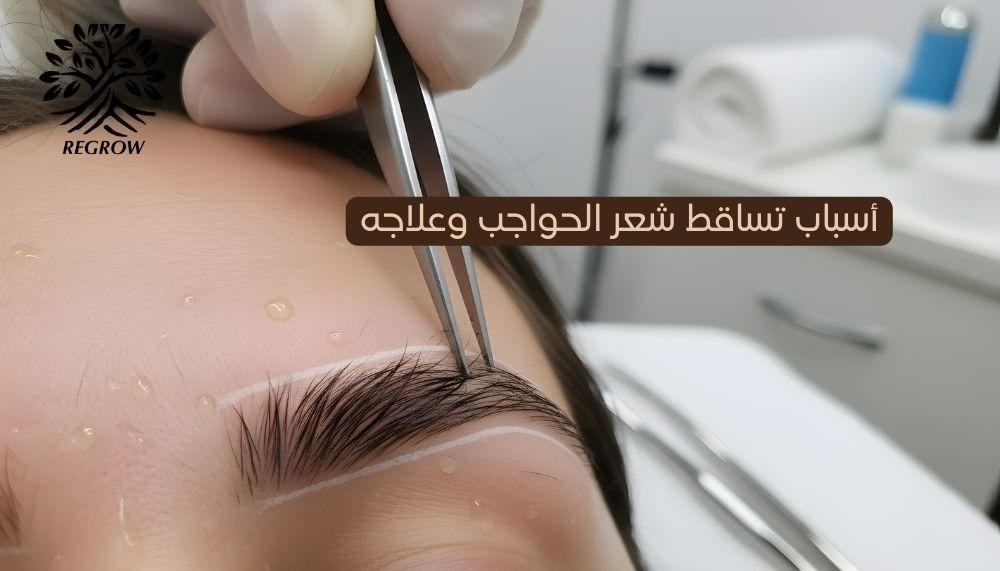
Eyebrow hair loss is a problem that can affect facial appearance and self-confidence, and it can be a source of concern for many women. Eyebrows are an essential part of facial beauty, and loss of density or the appearance of gaps can negatively impact a person's overall appearance. Eyebrow hair loss can be caused by several health and environmental factors, and it's important to understand the causes and address them properly to prevent the problem from worsening.
Causes of eyebrow hair loss
Eyebrow hair loss is a common problem that can affect facial appearance and self-confidence. There are many reasons for eyebrow hair loss, which can be categorized as genetic, health-related, environmental, and even related to personal hygiene. Here are some of the main causes of eyebrow hair loss:
hormonal changes
Changes in hormone levels can lead to eyebrow hair loss. Women experiencing hormonal imbalances such as menopause or changes during pregnancy may experience eyebrow hair loss due to decreased estrogen or testosterone levels.
Heredity
Genetics plays a significant role in eyebrow density and shape. If women in the family experience eyebrow hair loss, the problem is likely hereditary.
Vitamins and Minerals
A deficiency in certain essential vitamins and minerals, such as biotin, vitamin D, iron, and zinc, can lead to eyebrow hair loss. An unbalanced diet weakens hair follicles, hindering their normal growth.
Stress and anxiety
Stress and anxiety are psychological factors that can lead to eyebrow hair loss. When the body is under stress, it releases hormones like cortisol, which can affect blood circulation and weaken hair follicles.
Environmental factors
Excessive sun exposure or pollution can damage eyebrows and cause hair loss. Additionally, some chemicals in cosmetics or makeup can irritate the area around the eyebrows, leading to hair loss.
Skin diseases
Certain skin conditions, such as alopecia areata, blepharitis, or eczema, can lead to eyebrow hair loss. These conditions are considered medical causes that require treatment.
Using harsh hair removal tools
Excessive use of wax, shaving or plucking can weaken hair follicles in the eyebrow area, causing hair loss over time.
aging
As we age, hair growth generally slows down. Some people may experience eyebrow hair loss as they get older due to weakened hair follicles and slower growth.
How can you detect eyebrow hair loss?
It's important to detect eyebrow hair loss in its early stages, as this can help in taking effective treatment steps. You may not notice the hair loss immediately, but there are some clear signs that can help you identify the problem early on:
Appearance of gaps or thin areas
If you notice gaps or thinning in your eyebrows, or if your eyebrow hairs have become less dense, this could be a sign of hair loss. These gaps usually appear gradually and affect the appearance of your eyebrows.
Increase in the amount of hair loss
If you find many hairs on your pillow, or when you clean your face or use an eyebrow brush, it may be a sign that your eyebrows are falling out more than usual.
Change in eyebrow shape
If the shape of your eyebrows begins to change, such as thinning or a change in their contour, this could be due to hair loss in that area. Eyebrows may also become thinner or less defined over time.
Feeling itchy or irritated
Eyebrow loss may be accompanied by itching or irritation of the skin around the eyebrows. These symptoms may be due to irritation of the hair follicles or underlying health conditions that lead to hair loss.
Notice the difference in hair density
If you notice that your hair has become thinner or more brittle, especially in the eyebrow area, this could be one of the signs of ongoing hair loss.
Hair loss when using makeup
When applying makeup or removing cosmetics, if you notice abnormal hair loss from your eyebrows, this indicates a problem with hair density.
Treatment for eyebrow hair loss
Treating and managing eyebrow hair loss largely depends on first identifying the underlying cause, then choosing the appropriate intervention. This can involve lifestyle changes, natural remedies, or specialized medical options. Here are some of the most effective methods:
Improving nutrition and lifestyle
- Make sure you are taking the necessary vitamins and minerals such as biotin, iron, zinc, and vitamin D to support eyebrow growth.
- Reduce stress and anxiety, as they are among the factors that cause hair loss.
- Avoid plucking or trimming eyebrows excessively, and use gentle cosmetics.
Using natural topical treatments
Use natural oils such as castor oil and argan oil to massage your eyebrows regularly to stimulate growth and promote healthy hair follicles.
Specialized medical treatments
- Topical treatments such as minoxidil or bimatoprost can be used to stimulate hair growth in cases of significant hair loss.
- In some cases, medical intervention such as corticosteroid injections or eyebrow transplants may be required to improve growth.
For healthy, full eyebrows, try Regero's specialized eyebrow products . With their effective natural ingredients, our products help promote eyebrow growth and strengthen them, giving you a natural and attractive look. Get noticeable results and start caring for your eyebrows today with Regero .